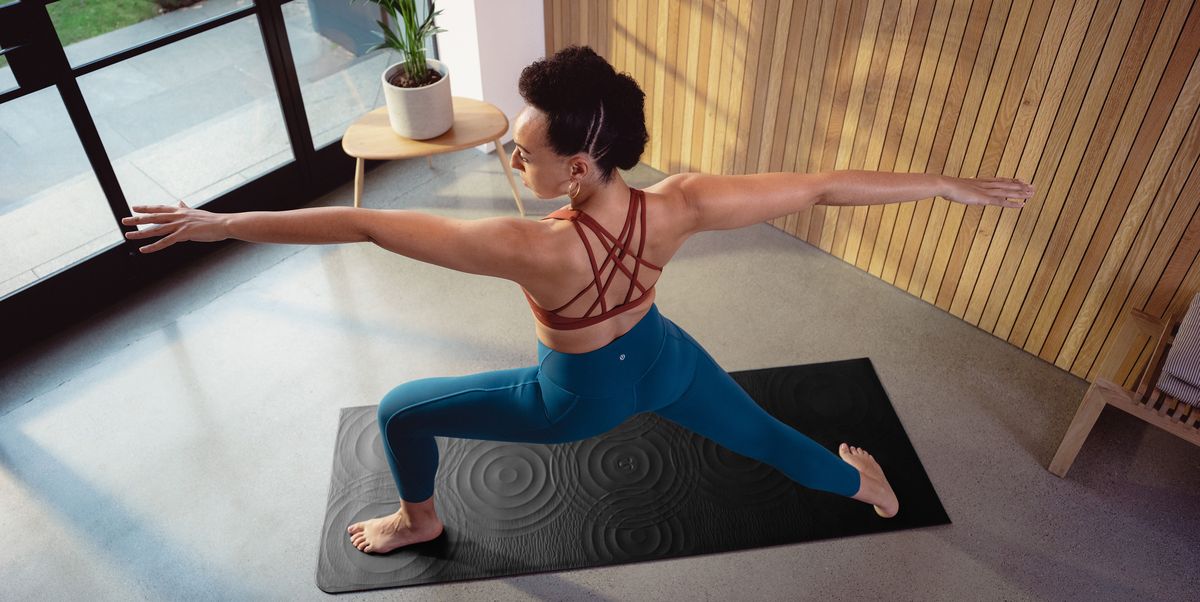
If you're considering a career as a personal trainer in Columbus, OH, you'll probably wonder how much you'd earn. Here's a list of the average salaries for personal trainers within the city. You should also consider the career opportunities available to these trainers.
The average salary for a personal coach in Columbus, OH
The average salary for a personal coach in Columbus, OH is $58,107 annually or $28 an hour. The range of salaries is from $42,070 to $69,670. A Bachelor's Degree is the most common degree for a personal coach. ERI's compensation surveys are used to calculate the salary for this career. From commercially available housing data, and effective income tax rate data, cost of living data can be derived.
A personal trainer's salary will vary by experience and location. An experienced personal trainer will make more than someone who isn't certified. Personal trainers in Columbus, OH may earn more if they are in high demand areas. For example, personal trainers working in high-end fitness centers and gyms with performance-based training often have higher salaries and make more.
To become a Columbus certified personal trainer, you must complete a certification program. This program will also require that you evaluate clients' questionnaires and provide physiological data so that you can determine the best workout plan for them.
Potential earning potential as a Columbus personal trainer
Personal trainers assist clients in improving their fitness levels. While some personal trainers work with professional athletes, others are more focused on non-athletes. Trainers customize exercise programs and ensure that equipment is used properly. They build relationships with clients and offer fitness evaluations. You have many options for earning money as a Columbus personal trainer.
Columbus is a major metropolitan area, home to more than 800k residents. There are not many job opportunities in the larger cities. However there are many personal training positions that pay higher than average salaries. Ohio's average personal trainer salary is $58,125 per year. This is lower than the national average of $61,800.
Columbus-based personal trainers can pursue post-secondary training. Many employers will only hire certified personal trainers. Also, applicants with certifications from national certification bodies are more likely get a job.
There are many career opportunities as a personal coach
There are many career options for personal trainers in Columbus. You can work at your own gym, consult with other trainers, or join a team. You can also choose to focus on marketing or niche building. This requires very little physical presence and can be accomplished remotely via messaging apps or live streaming.
A relevant college degree is the preferred qualification for personal trainers. It provides theoretical knowledge and a solid foundation for health and fitness promotion. If you are on a tight schedule, there are many universities and colleges that offer programs in this field. Online courses can also be offered. You should also check the requirements of each personal trainer to ensure you meet them.
Dean plans on pursuing a master's program in a related field after receiving a Bachelor in Science in Physical Activity Coaching from Ohio University. He is passionately interested in working with fitness fans and enjoys teaching clients about good nutrition and body composition. He is also a certified personal coach through the American Council on Exercise.
FAQ
Do I gain weight from exercising?
Not at all. You can even maintain your weight by exercising. Regular exercise will help you build muscle and boost your metabolism. This will allow you to burn more calories every day. This will mean that your body won't store as many calories.
What happens if I don’t get enough sleep?
Lack of sleep means that your brain does not receive enough signals to regulate hormones. This can lead to weight gain and excess eating. Lack of sleep also increases stress levels, which can lead to overeating.
How many hours should I sleep each night?
The recommended amount of sleep varies depending on age, gender, and individual needs. Most adults require between 7 and 9 hours of sleep each night. Teenagers and children typically need about 10 hours of sleep per night, but this number decreases as they grow older.
Is it safe and legal to exercise in cold conditions?
If possible, go outside. The air temperature isn't the only factor determining whether it's safe to exercise outdoors. The factors that determine whether it's safe to exercise outdoors include wind speed, humidity, rain, visibility, and even visibility. Layers of clothing will protect you from rain and wind chill if you exercise outdoors in inclement climates.
What should I eat before I work out?
No. You don't need to eat anything before working out. If you feel hungry after working out, it is a good idea to have a light snack like yogurt or fruit.
Are there exercises I shouldn’t perform?
You should always consult with your doctor before starting any new workout routine. You might have injuries or conditions that make it impossible to do certain types of exercise. Some activities may require special equipment, or training. Swimming requires you to have a swimsuit and access to the pool.
Can I exercise after eating?
It depends on the exercise you do. Avoid strenuous exercise after meals as it can cause stomach cramps. Light aerobic activities, such as walking or biking, are better.
Statistics
- In 2018, the World Health Assembly agreed on a global target to reduce physical inactivity by 15% by 2030 and align with the Sustainable Development Goals. (who.int)
- One study showed that adults who watch more than 4 hours of television daily had an 80% higher risk of death from cardiovascular disease. (heart.org)
- In high-income countries, 26% of men and 35% of women were insufficiently physically active, as compared to 12% of men and 24% of women in low-income countries. (who.int)
- Globally, 28% of adults aged 18 and over were not active enough in 2016 (men 23% and women 32%). (who.int)
External Links
How To
How to Stay Fit While Pregnant
Your body changes drastically when you become pregnant. Because you are carrying a baby, your metabolism slows down and you eat less. Lack of sleep could make you feel sick. However, there are ways that you can be healthy and still have fun during this exciting time in life.
Before starting any exercise regimen, it's important to check with your doctor. They can advise you on which exercises you should avoid, and which ones are safe. Second, make sure you eat well throughout your pregnancy. This includes eating plenty protein, fiber, iron. Third, try to drink lots of fluids. You lose a lot of fluids through sweating, so it is especially important to drink water during exercise. Finally, take care of your feet. You should always keep your feet dry, and wear shoes that provide support. You should eat breakfast if you are suffering from morning sickness. If you do not eat something small, you might feel nauseated.
-
Take care of your health. A healthy diet will be important throughout your pregnancy.
-
Get active. Do at least 30 minutes of exercise each day.
-
Maintain a Healthy Weight. Eating smaller meals and snacks can help you lose weight.
-
Get enough sleep. You should aim for 7-9 hours sleep every night.
-
Manage Stress. Learn relaxation techniques.
-
Avoid Alcohol. It can lead to miscarriage, and even birth defects.
-
Be gentle with yourself. Don't push yourself too hard.
-
Take Care of You. When you are feeling unwell, have someone come to your aid.
-
Relax. Do what makes you happy.